
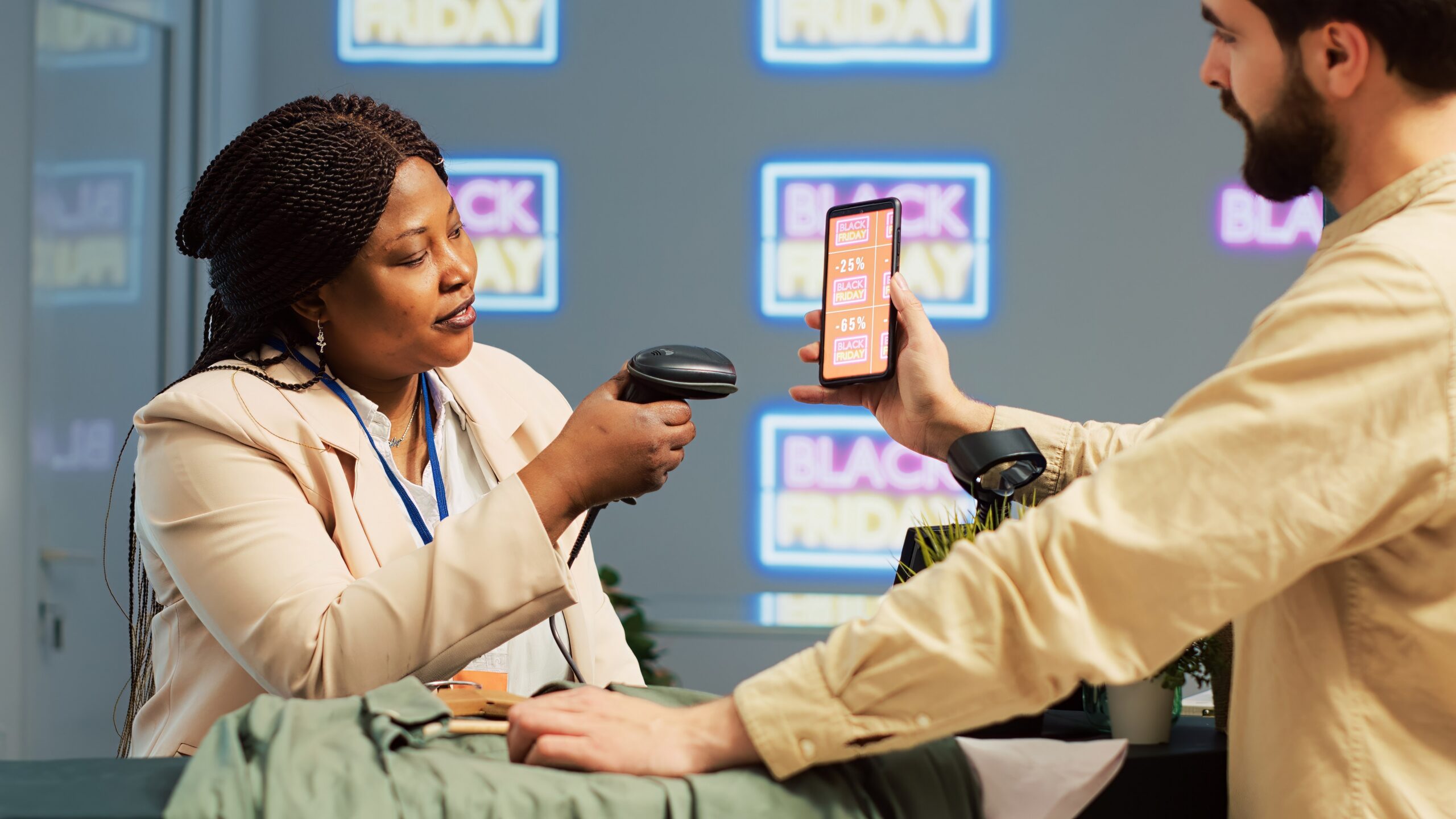
The Sunday newspaper insert that used to anchor a weekly couponing routine has largely disappeared, and in its place sits a scattered collection of store-specific apps that each work a little differently. Building a workflow that actually keeps up with this shift, rather than losing offers across a dozen forgotten app installs, is what separates shoppers who still save consistently from those who feel like they are missing out every time they check out.
Why the Shift Away From Paper Happened
The decline of paper couponing tracks closely with the decline of print newspaper subscriptions, and retailers have moved their promotional budgets to match where shoppers actually are. According to GroceryCouponGuide, major grocery chains including Kroger, Walmart, and Target have integrated digital coupons directly into their store apps, allowing a single tap to clip an offer that then applies automatically at checkout, while newspaper coupon inserts have seen their circulation decline sharply as fewer households subscribe to print papers in the first place. Data compiled by MyFinancial101 citing Capital One Shopping’s coupon research shows digital coupons surpassed print in redemption share for the first time in 2024, claiming 53.4 percent of all redeemed coupons nationally, with the broader digital coupon market valued at roughly $10.6 billion and projected to keep growing. This is not a temporary pandemic-era shift that reversed once things returned to normal, it is a structural change in how retailers now choose to distribute their best discounts, and shoppers who have not adjusted their routine accordingly are increasingly paying full price on deals that digital-first shoppers are getting automatically.
Curbside and Pickup Orders Complicate Paper Coupons Further
Beyond the general decline of paper coupons, the rise of curbside and online pickup has made paper coupons functionally unusable for a growing share of grocery trips. The Krazy Coupon Lady reports that most stores no longer accept paper coupons for curbside orders at all, with Kroger standing out as one of the few major chains that still does, while Target, Walmart, and Walgreens have all shifted entirely to app-based digital coupons and loyalty card integration for pickup and delivery orders. Since more than 87 percent of stores now offer some form of buy-online-pickup-in-store option, according to the same source, a shopper who continues relying primarily on paper coupons is effectively locking themselves out of an increasingly large share of how groceries actually get purchased, well beyond the traditional in-store checkout line where paper coupons still occasionally work.
Which Store Apps Are Actually Worth the Download
Not every retailer app delivers equal value, and building a workflow around a handful of genuinely generous apps beats installing every store’s app and never opening most of them. Target Circle stands out specifically because, as of a 2024 update noted by The Krazy Coupon Lady, all Target Circle promotions apply automatically to an order once activated, removing the manual clipping step that other retailers still require and stacking an additional discount for shoppers who pay with the Target Circle Card. Kroger’s app remains notable for linking directly to a loyalty card during checkout, so any digital coupons added to the account apply automatically to pickup orders without requiring a separate scan or code entry, a workflow that extends to Kroger’s many regional banner stores as well. Walgreens has similarly moved to a loyalty-program-first model where the deepest discounts increasingly require app or account participation rather than being available to any walk-in shopper, a pattern that is becoming the norm across pharmacy and drugstore chains rather than the exception.
Setting Up a Clean Digital Couponing Workflow
The biggest practical challenge with app-based couponing is not finding the deals, it is preventing the workflow from becoming more time-consuming than paper couponing ever was. A manageable approach starts with picking the two or three retailers where the bulk of regular shopping actually happens, rather than installing every grocery and drugstore app available, since offers left unclipped in an app nobody opens provide no more value than a coupon insert that was never cut out in the first place. Setting a consistent weekly time, ideally right before the shopping trip a household already plans to take, to open each app and clip that week’s relevant offers keeps the process contained to a predictable few minutes rather than an ongoing background task competing for attention throughout the week. Linking a loyalty card to each app wherever that option exists removes an entire manual step at checkout, since offers apply automatically rather than requiring a coupon code to be entered or a screen to be scanned at the register.
Watching for Expiration Dates the Apps Don’t Always Highlight
One advantage paper coupons had, however inconvenient the format itself was, is that an expiration date printed directly on the coupon was hard to miss. Digital coupons expire just as often, but the deadline is not always prominently displayed within the app interface, and a clipped offer sitting unused for a few weeks can quietly expire without any notification reaching the shopper who clipped it. Reviewing clipped offers periodically, rather than assuming everything saved to an account will remain available indefinitely, catches this before a planned purchase turns out to have missed its window. This is particularly relevant for manufacturer-funded digital coupons layered on top of a retailer’s own promotions, since these tend to carry shorter windows than store-loyalty discounts and are more likely to expire unnoticed in the background of an app most shoppers only open once a week.
Adjusting a Long-Standing Habit Without Losing the Savings
For shoppers who built years of habit around clipping physical coupons, the shift to app-based savings can feel like starting over, but the underlying skill, tracking which offers apply to which purchases and timing shopping trips around the best available discounts, translates directly to the new format once the workflow itself gets rebuilt. The shoppers who adapt most successfully tend to treat the transition as a one-time setup cost, spending a focused hour picking their core retailer apps, linking loyalty accounts, and establishing a weekly clipping routine, rather than trying to relearn the process piecemeal every time a new app update changes how offers are displayed. Once that initial setup is in place, digital couponing tends to require less ongoing effort than paper ever did, since there is no physical binder to maintain and no risk of leaving a stack of clipped coupons behind on the kitchen counter on the way out the door. ## When It Makes Sense to Stick With a Retailer That Still Prints Paper
Not every shift away from paper is permanent or universal, and it is worth noting that Kroger has at points scaled back some of its digital-only push in response to shopper feedback, a reminder that these policies are not fixed forever and can shift again as retailers gauge how customers actually respond. For shoppers who genuinely struggle with app-based systems, whether due to limited smartphone access or simply a strong preference for a physical format, seeking out the specific retailers that still support paper coupons at checkout, even if a growing share of the industry has moved on, remains a reasonable strategy rather than an outdated one. The larger point is not that every household must adopt digital couponing immediately, but that anyone relying primarily on paper should know exactly which stores and order types still support it, so that the deals lost to a shift toward digital coupons come as a deliberate trade-off rather than an unpleasant surprise at checkout.
The shoppers who resist making this switch tend to be the ones who quietly stop saving altogether, not because the discounts disappeared, but because the format they were built to use no longer matches where those discounts actually live.
Sources
- GroceryCouponGuide, Will Digital Discounts Replace Paper Coupons Forever
- MyFinancial101, Digital Couponing for Beginners
- The Krazy Coupon Lady, Paper Coupons Fade Out at Curbside
- GroceryCouponGuide, Best Grocery Store Apps for Digital-Only Coupons and Deals
- GroceryCouponGuide, Universal Digital Coupons Are Expanding Across Stores